Author: Evan Fife
-
The Instrumentalization of Everything
What we do matters, but why we are doing what we’re doing matters almost just as much. I agree with the premise of this article, even if the implications are hard to unpack. The choice remains for us to make: what is the highest good and where are we going towards? Even in a world where the highest “good” is pluralistic, we are limited by our humanity, and a pursuit of any intrinsic good comes at the sacrifice of another. At that point we might need to draw a line between what is good just for itself and what is good intrinsically AND instrumentally.. Could that be the source of the structural instrumentalization that we are seeing?
// Instrumentalization is Making Everything a Means to an End – AEON
-
The Value of Humanity if AI Becomes Smarter
This is sort of in relation to what was said in the Citrini Research report. I think a lot of what is in the report is garbage, superficial vibe reporting masquerading behind the “this is an imagination of what the future could be, not what it will be” cop out. But saying that it has nothing of value to add neglects a question that we should be grappling with, and which this article from Wayfare excellently explores: Why are we scared of our intelligence being replaced? I agree with this article that our fear tells us about how we view and value ourselves, and thought it was a great read.
// Alchemy of a Soul – Wafare Magazine -
Damodaran on Talking the Dog On More Walks
Interesting post from finance legend Aswath Damodaran on the impact that AI will have on careers. Differing from AI doomers, he argues that even if he is replaced by the “Damodaran bot” there is something valuable about him that will persist. Even though he has defined himself as a public figure in finance and valuation, he recognizes that he is not what he does, he is something more.
-
The Death of Beauty
If you want to understand any society, don’t listen to what it says about itself, look to what it creates.
This was a beautiful little video about the value that victorians (or at least the powerful and wealthy victorians who were in power during the mid 19th century) placed on ordinary beauty. I found Quirke’s criticism of modern utilitarianism a little too strong, given he recognizes her seeds in the construction of London’s sewers. Regardless, I thought that the above quote made the video deserving of recognition.
-
Why being a little snobby might be a good thing
The Common Reader – Literary Elitism
Having a cannon lets us be objective, and provides a foundation for discussion that can lead to truth.
-
Размышление
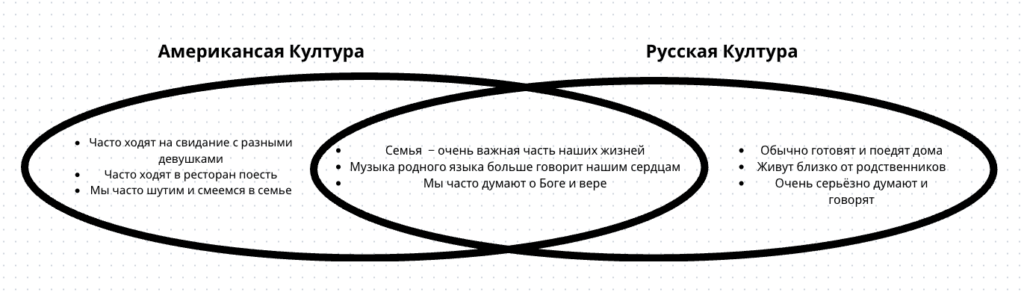
I’m sure that the groups that I fall into change the way that I view the world. I am a white mormon male who lives on the west coast. I know that I have a lot of artifacts from that. As an American, especially as a christian American, I value growth and progression. Growing up in the west coast, I am surrounded by a culture that values positivity and optimism. Being a man, I believe that it is my duty to create a life and a character which will lend itself to helping and protecting others. In many ways I think Misha and I are similar.
Both Misha and I care about our families. Both of us care about God and make a conscious effort to bring ourselves closer to Him. Both of us believe that hard work is important, and both of us value connection, to the point that both of us had our grandparents living with our families for a part of our lives. We also both enjoy music and enjoy being lighthearted and having fun.
Maybe the most significant differences (if you could really call them that) is in how we view connection outside of the family and the motivation behind our work. It seemed to me that while Misha cared deeply about the relationships that he already had, and would work hard to sustain them, shallower relationships were less important to him. Maybe it’s not part of Russian culture, but its interesting how the language reflects this shift in connection. Russian the progression from Девушка to Знакома to Подруга to Девушка again reflects an increasing level of trust and knowledge. English has artifacts of this progression (ie we call someone we barely know an acquaintance and someone we know well a friend), but, especially in a college environment where most relationships tend to be shallow, the usage of acquaintance is rare and in my opinion offensive. I don’t know if I could call it a part of Russian culture, but I definitely recognize in Misha a value of real, genuine depth of connection, a foreign concept in the fast paced shallow social environment of college live.
Another way in which we might differ is the point of hard work. Misha is, and for as long as I’ve known him always has been, someone who works very hard. I think that I also work hard, but I think that my hard work is often self serving. I study hard because I want to get good grades. I make an effort to get an education because I think that a good education will give me a more comfortable life, a life where I have more freedom to do what I want. Misha’s hard work is of a different nature. He knows that education is important, but it seems like his motivation for working hard and filling his life with valuable pursuits has more to do with the inherent value of working hard rather than the personal benefit that he can gain from it. His hard work is done for the sake of working hard, a valuable trait that is a distant cousin from the American version of the same idea.
I am thoroughly americanized, and I think Russians and Ukrainians who move to the United States adopt the culture that they are transplanted into. Talking with my friend Misha was an interesting experience, our conversations were in Russian, talking about Ukrainian culture, but our conversations still felt very, very American. Despite this americanization of his culture, losing some of the edges as a result of a life mostly lived in the United States, I could recognize some of the Ukrainian values that still persist within him. Values like genuine connection and hard work.
I think that this project changed the way that I view eastern European culture. My hope with learning Russian is to gain a different understanding of the world that is in contrast with my own, and I think that recognizing the values of working hard and deep connection are rare. It also was fun talking with a friend in Russian, and I feel a lot better about having a conversation now compared to how I felt before the project.
-
Разговор №1
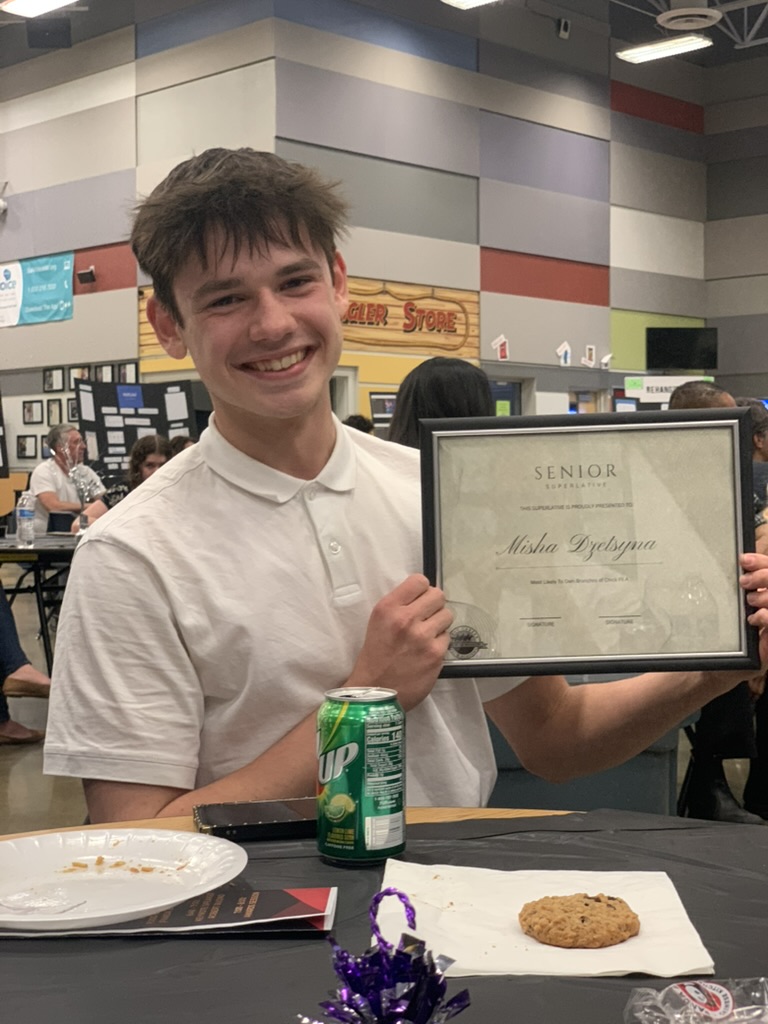
Я разговаривал с моим другом Миша. Он родился и вырос в Украине, в городе Луганск. Он и своей семей переехал в США когда ему было 11 лет, скоро после Россия начал войну напротив Украины. Они поехали из Луганск на последнем поезде в Киев. В Луганске, говорят по-русски, а в Киев говорят по-украински, поэтому ему нужно было учиться разговаривать по-украински. За этого, ему было трудно учиться от четвёртого до пятого класса. Через несколько месяцев они опять переехали, а в этом раз в США.
Хотя Миша и своя семья выросли в Украине, когда они приехали в США, они все уже смогли говорить на английском. Он сказал, что английский язык простой и нетяжёлый язык, поэтому быстро умели говорить на английском. Его родители изучали и занимались как использовать английский язык от первого до двенадцатого класса. Когда они пришли в США им только было изучать сланг.
Мы тоже немного разговаривали о семье Миши, которая ещё живёт в Украине. Они редко встречаются потому, что у них сложные отношения. Кажется что они с родителями Миши поссорились когда они все жили в Украине. Теперь они живут далеко друг от друга, и Миша их не видел уже давно. Недавно после семья Миши переехали в США, бабушки и дедушки тоже сюда переехали.
Мне удивился, что они думали что английский язык, это лёгкий язык. Здесь в США мы тоже изучаем иностранные языки в школе. Но за какого-нибудь, нам трудно говорить на испанском как Украинце говорят на английском. Может быть что знать говорить на английском важнее, чем говорить на испанском, так что студенты больше стараются учить английский язык. Тоже может быть что у них лучше преподаватели языков.
-
Разговор №3
Это был мой последний разговор с Мишей. Я хотел узнать немного больше о том, что он с семей едят, так что, сначала мы поговорили о его любимых блудах. Он сказал что 50 процентов времени они едят украинскую еду, но они редко ходят в украинские рестораны. Отец Миши очень хорошо готовит борщ, и по мнению Миши, это самая хорошая борщ в мире. Миша тоже обожает пельмени (так должен), и почему-то никогда не попробовал холодец, хотя его бабушка ужа ему пригласил много раза попробовать. Один раз, мать Миши его приготовила тыквенную кашу, и с этого дня он ненавидит её.

Вообще мне было интересно, что они часто есть украинскую еду, но редко ходят в ресторан. Наверно, если бы мой отец тоже хорошо готовил борщ, то я так и делал бы. Я тоже удивился что Миша никогда не попробовал холодец, как можно!? Я очень хочу попробовал, всё равно, что все говорят что холодец очень отвратительный.
После этого я ему спросил, если он часто ходить на свидание с кем-нибудь, но он не понимал мои вопросы. На русском, девушка, это и молодая женщина которая вы ещё не знакомил, и кто-то с которым вы могли бы жениться. Так что, когда я спросил «Вы ходите на свидание с какой-то девушкой» было совсем непонятно.
В последней части нашего разговора, я спросил ему, есть ли у него планы после университета (он скоро окончит университет). Он мне сказал, что ему не нравилась своя специальность, и за этого он не используется знанием после университета. С средней школи он работает в Чик-Фил-А, и в месте то, что он меняет службу, он продолжит работать там.
Это тоже мне было интересно, почему так долго работать чтобы получить диплом, если не его используется?